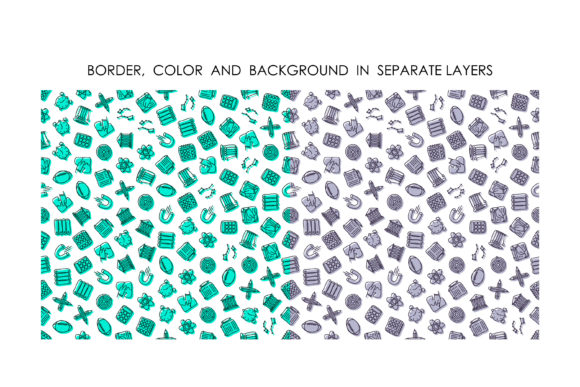
Patterns with Linear Icons of Education: A Versatile Design Element for Universities
In the world of design and visual communication, patterns with linear icons of education have emerged as a powerful tool for universities and educational institutions. These seamless patterns combine simplicity with functionality, offering a unique way to represent academic themes through clean, minimalistic lines and shapes. Whether used for fabric printing, digital branding, or decorative purposes, these designs serve as a bridge between aesthetics and educational symbolism.
For universities looking to create a cohesive visual identity, patterns with linear icons of education provide a flexible solution. They can be integrated into various materials such as banners, stationery, promotional items, and even campus signage. The linear style ensures clarity and readability, making it ideal for environments where information needs to be communicated effectively without overwhelming the viewer.
Understanding Patterns with Linear Icons of Education
Patterns with linear icons of education are typically composed of geometric shapes and simple lines that represent key elements of learning and academia. Common icons include books, graduation caps, microscopes, and abstract representations of knowledge. These icons are arranged in repeating sequences to form a seamless pattern that can be scaled for different applications.
Unlike more complex or detailed illustrations, linear icons focus on clarity and precision. This makes them particularly effective for use in educational contexts where visual communication must be straightforward and easy to interpret. The minimalist approach also allows for greater versatility, as the patterns can be adapted to different color schemes and backgrounds without losing their visual impact.
Challenges and Opportunities in Educational Design
Designing for educational institutions often involves balancing tradition with innovation. Many universities seek to maintain a sense of history and prestige while also embracing modern aesthetics. This can present challenges when selecting visual elements that are both timeless and relevant.
Patterns with linear icons of education offer a solution by combining classic educational motifs with contemporary design principles. Their simplicity allows them to fit seamlessly into both traditional and modern settings, making them a valuable asset for institutions looking to evolve their visual language without sacrificing their core identity.
Practical Applications and Outcomes
The versatility of patterns with linear icons of education extends beyond just visual branding. They can be used in a wide range of applications, including:
- Fabric Printing: These patterns are ideal for creating custom textiles such as uniforms, banners, and event decorations. Their clean lines ensure that they remain visible and legible even when printed on fabric.
- Interior Design: Universities can incorporate these patterns into classroom walls, lecture halls, and administrative spaces to create a cohesive and inspiring environment.
- Digital Content: As vector graphics, patterns with linear icons of education are easily scalable and adaptable for use in websites, presentations, and digital marketing materials.
By using these patterns, educational institutions can enhance their brand presence while maintaining a professional and polished appearance. The consistent use of a single design element across multiple platforms helps reinforce brand recognition and creates a unified visual experience for students, faculty, and visitors.
How Different Users May Approach the Topic
While the benefits of patterns with linear icons of education are clear, different users may approach their implementation in unique ways. For example:
- University Administrators: May focus on how these patterns can support institutional branding efforts and improve the overall aesthetic of campus environments.
- Designers: May explore creative ways to integrate these patterns into various projects, ensuring they align with broader design strategies and goals.
- Faculty and Staff: May appreciate the subtle yet meaningful representation of education in everyday materials, reinforcing a sense of community and shared purpose.
Each group brings a different perspective, but all can benefit from the flexibility and adaptability of patterns with linear icons of education. By considering the needs and preferences of different stakeholders, institutions can maximize the effectiveness of these design elements.
Recommendations and Considerations
When incorporating patterns with linear icons of education into your design strategy, consider the following recommendations:
- Choose a Consistent Style: Ensure that the linear icons and patterns align with your institution's overall visual identity. This includes matching color palettes, typography, and other design elements.
- Test for Scalability: Verify that the patterns look good at different sizes and resolutions, especially if they will be used in both digital and print formats.
- Use for Multiple Purposes: Explore how these patterns can be applied across different mediums, from signage to merchandise, to create a cohesive and recognizable brand presence.
Additionally, consider working with experienced designers who understand the nuances of educational branding. They can help you navigate the complexities of pattern design and ensure that your final product meets both aesthetic and functional goals.
Patterns with linear icons of education offer a unique and effective way to enhance the visual identity of universities and educational institutions. By combining simplicity with meaningful symbolism, these patterns provide a versatile solution for a wide range of design needs. Whether used for fabric printing, interior decoration, or digital content, they can help create a strong and memorable brand presence that resonates with students, faculty, and the broader community. With careful planning and thoughtful implementation, patterns with linear icons of education can become a valuable asset in any educational setting.