Mandala Patterns Background: A Comprehensive Overview
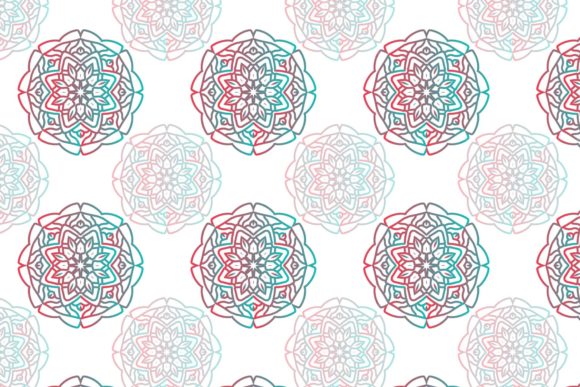
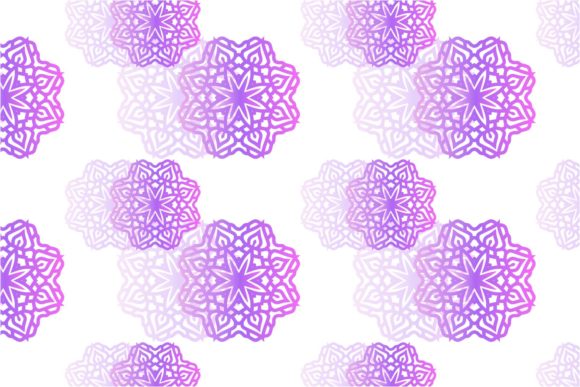
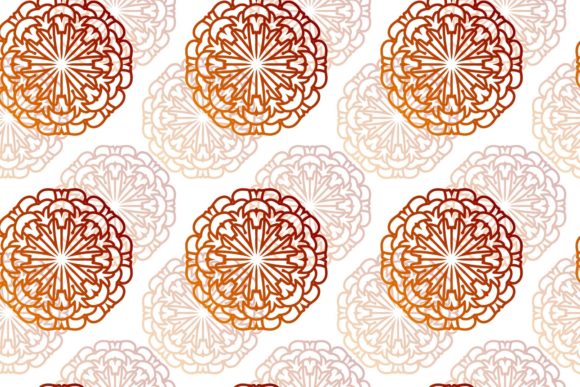
Mandala patterns have long been a source of fascination for artists, designers, and those seeking visual harmony. A mandala patterns background refers to a design that incorporates intricate, symmetrical patterns often used as a backdrop in digital or print media. These backgrounds are not only aesthetically pleasing but also carry symbolic meaning, making them a popular choice for creative projects.
For individuals looking to enhance their design work, mandala patterns offer a unique blend of beauty and functionality. Whether you're working on branding, web design, or personal art, understanding the value of these backgrounds can help you make informed decisions about their use.
What Are Mandala Patterns Backgrounds?
Mandala patterns are typically circular designs composed of repeating geometric shapes, lines, and symbols. They are often used as backgrounds due to their ability to create a sense of balance and depth. The term "mandala" originates from Sanskrit, meaning "circle," and is commonly associated with spiritual and meditative practices.
In modern design, mandala patterns are adapted into various formats, including digital files that can be easily integrated into different projects. These backgrounds are often created using graphic design software and can be customized to suit specific needs.
Why Consider a Mandala Patterns Background?
There are several reasons why someone might choose a mandala patterns background. One of the primary benefits is its visual appeal. The intricate details and symmetry of mandalas can add a unique aesthetic to any design. Additionally, these backgrounds can evoke a sense of calm and focus, making them ideal for projects related to mindfulness or wellness.
Another advantage is their versatility. Mandala patterns can be used in a wide range of applications, from website headers to social media graphics. Their adaptability allows designers to experiment with different styles while maintaining a cohesive look.
Benefits of Using Mandala Patterns Backgrounds
- Visual Appeal: The complexity and symmetry of mandalas make them visually engaging.
- Versatility: Suitable for both digital and print media across various industries.
- Symbolic Meaning: Can convey themes of balance, unity, and spirituality.
Considerations and Tradeoffs
While mandala patterns backgrounds offer many advantages, there are also factors to consider. One potential drawback is that they may not be suitable for all design contexts. In some cases, the complexity of the pattern could overwhelm the overall composition, making it difficult to read or interpret.
Additionally, the use of mandala patterns may require careful planning to ensure they complement other elements of the design. For instance, if the background is too busy, it could detract from the main content or message being conveyed.
Situations Where Mandala Patterns Backgrounds Excel
Mandala patterns backgrounds are particularly effective in scenarios where visual interest and symbolism are important. They are well-suited for projects focused on meditation, yoga, or spiritual themes. In such cases, the background can enhance the overall experience by reinforcing the intended message.
These backgrounds are also beneficial in creative industries such as graphic design, illustration, and branding. They provide a strong foundation for developing unique and eye-catching visuals that stand out from standard templates.
When Alternatives May Be More Appropriate
There are situations where alternative background options may be more suitable. For example, in minimalist design approaches, a simple solid color or subtle texture may be preferred over a complex mandala pattern. This is especially true when the goal is to emphasize clarity and simplicity.
Additionally, if the target audience is not familiar with the cultural or symbolic significance of mandalas, a more straightforward design may be more effective. It's important to consider the context and audience when deciding whether to use a mandala patterns background.
Practical Decision-Making Insights
When evaluating whether a mandala patterns background is right for your project, consider the following factors:
- Design Goals: Determine what you want to achieve with your background. Do you need it to be decorative, functional, or symbolic?
- Target Audience: Think about who will see the design and what they expect from it.
- Technical Requirements: Ensure the file formats provided meet your needs for editing and use.
By taking these factors into account, you can make a more informed decision about whether a mandala patterns background aligns with your goals.
Understanding the Digital Files Offered
The package includes five digital files in various formats: AI, EPS, SVG, JPG, and PNG. Each format serves a specific purpose, allowing for flexibility in how the design is used. For instance, AI and EPS files are ideal for professional graphic design work, while PNG and JPG files are suitable for web use.
These files are designed to be easy to edit, giving users the freedom to customize the background according to their needs. Whether you're adjusting colors, resizing, or integrating the design into a larger project, the availability of multiple file types ensures compatibility across different platforms and software.
Conclusion
Mandala patterns backgrounds offer a unique combination of aesthetics, symbolism, and versatility. They can enhance a wide range of design projects, particularly those that benefit from visual complexity and meaningful imagery. However, it's important to evaluate their suitability based on the specific goals and context of your work.
By considering factors such as design intent, audience expectations, and technical requirements, you can determine whether a mandala patterns background is the right choice for your needs. With the right approach, these backgrounds can become a valuable asset in your creative toolkit.