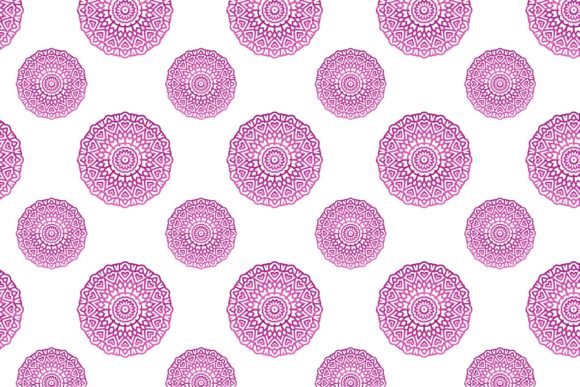
Mandala Ornament Patterns: A Creative and Practical Guide
Mandala ornament patterns have become a popular choice for artists, designers, and creative professionals looking to add depth, symbolism, and visual appeal to their work. These intricate designs are not only aesthetically pleasing but also offer a versatile foundation for various applications—from digital art to print media and beyond. Whether you're a beginner exploring new creative avenues or a seasoned designer seeking high-quality assets, understanding the value of mandala ornament patterns can help you make informed decisions.
What Are Mandala Ornament Patterns?
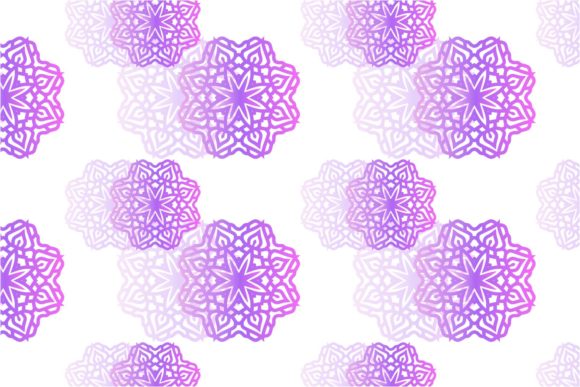
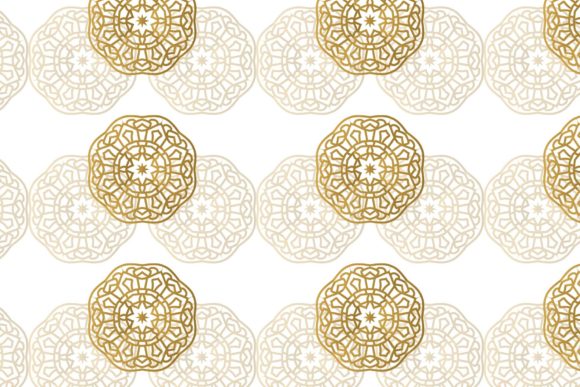
Mandala ornament patterns are geometric, symmetrical designs that often represent spiritual or symbolic meanings. Originating from ancient traditions, these patterns have evolved into modern artistic expressions used in everything from fashion to graphic design. Their complexity and balance make them ideal for creating visually striking compositions that can be adapted across multiple platforms.
For those interested in using mandala ornament patterns, it's important to recognize that the quality and format of the files you choose can significantly impact your workflow. High-resolution, editable files ensure flexibility and professional results, while lower-quality options may limit your ability to customize or scale the design effectively.
Common Mistakes When Choosing Mandala Ornament Patterns
One of the most frequent errors people make is selecting mandala ornament patterns without considering the intended use. For example, a pattern designed for a small print might not look sharp when scaled up for a large banner or digital display. Always check the canvas size and resolution before making a purchase or download.
Another common mistake is overlooking file formats. While many users focus on the visual appeal of a mandala, they may neglect the practicality of the file type. For instance, a PNG file offers transparency, which is essential for overlaying designs, while an EPS file is ideal for vector-based editing in professional software like Adobe Illustrator.
Some buyers also fail to verify the licensing terms of the mandala ornament patterns they acquire. Using a design without proper permissions can lead to legal issues, especially if the pattern is used commercially. Always read the fine print to ensure you have the right to use the design as intended.
Why File Formats Matter
When purchasing mandala ornament patterns, you typically receive multiple file types—such as AI, EPS, SVG, JPG, and PNG. Each format serves a specific purpose:
- AI (Adobe Illustrator): Ideal for scalable, editable vector graphics.
- EPS (Encapsulated PostScript): Useful for high-quality printing and compatibility with various design programs.
- SVG (Scalable Vector Graphics): Perfect for web use due to its scalability and small file size.
- JPG and PNG: Best for raster-based projects, with PNG offering transparency support.
Having access to all these formats ensures that you can adapt the mandala ornament pattern to different projects without compromising quality or functionality.
How to Avoid Common Pitfalls
To avoid mistakes when working with mandala ornament patterns, start by clearly defining your project goals. Ask yourself: Will this design be used for print, digital media, or both? What level of customization will I need? Answering these questions can guide you toward the right file types and resolution requirements.
Additionally, take time to review sample images and descriptions provided by sellers. Look for details such as color variations, line thickness, and overall clarity. A well-documented product listing can save you from disappointment later on.
If you're unsure about the best format for your needs, consider reaching out to the seller for clarification. Most reputable providers are happy to assist with questions about file usage, licensing, and compatibility.
Realistic Examples and Better Approaches
Imagine you're designing a website header that requires a background image with a mandala ornament pattern. If you download a low-resolution JPG file, the image may appear pixelated when viewed on larger screens. Instead, opt for a high-resolution PNG or SVG file that maintains clarity at any size.
Another scenario involves a small business owner who wants to create custom merchandise. They may purchase a mandala ornament pattern without checking the licensing terms, only to find out later that they cannot reproduce the design on products for sale. To avoid this, always confirm that the license allows for commercial use if needed.
What to Check Before Making a Decision
Before finalizing your purchase of mandala ornament patterns, make a checklist of key considerations:
- Verify the canvas size and resolution to match your project needs.
- Review the available file formats and ensure they align with your software and platform requirements.
- Check the licensing agreement to understand how the design can be used.
- Read customer reviews and product descriptions for insights into quality and usability.
Taking these steps can prevent costly errors and ensure that your mandala ornament patterns meet your expectations.
Conclusion: Make Informed Choices with Mandala Ornament Patterns
Mandala ornament patterns offer a wealth of creative possibilities, but their effectiveness depends on thoughtful selection and proper usage. By understanding common pitfalls and taking proactive steps to avoid them, you can maximize the value of your designs. Whether you're a hobbyist or a professional, investing in high-quality, versatile mandala ornament patterns can enhance your work and streamline your creative process.